

SEO tools forced to adapt faster than ever
The world of SEO is no stranger to shifts, but a recent, sudden change by Google has turned on every alarm on all SEO tools.
On September 14, 2025, Google eliminated the n=100 SERP parameter, this is not just an inconvenience; it’s a fundamental challenge that will force many platforms to adapt their pricing models, and it also impacts how we measure our own performance.
In this article, we’ll explore what this parameter was, why its removal matters, and how it will force the industry to evolve. While this disruption presents clear challenges, it also offers a surprising bright side: the potential for cleaner, more reliable data.
The impact on SEO tools
For years, the n=100 parameter was the lifeblood of many SEO services. It allowed tools to retrieve 100 search results in a single API request, making comprehensive keyword research and competitor analysis efficient and cost-effective. With its removal, the game has changed. To get the same 100 results, tools are now forced to make 10 separate API requests.
This technical change has a direct impact on operational costs. For companies that rely on scraping and analyzing vast amounts of data, this change means a 10-fold increase in their data gathering costs. This dramatic rise in expenses puts immense strain on businesses of all sizes, leading many to adjust their default tracking depth and consider new pricing models.
The impact on your own measurement
Beyond the tools themselves, this change has a direct effect on how you manage and measure your own SEO efforts.
- Limited visibility into deeper rankings: Your SEO tools may now be unable to consistently track rankings beyond the Top 20 results. While most of your traffic comes from the first two pages, this makes it harder to monitor the long-term progress of new content or identify “rising” keywords that are just beginning to gain traction on pages three or four.
- A shift in your SEO strategy: With less data on deeper rankings, your strategy will likely need to focus even more intensely on earning a spot within the Top 20. The pressure to rank high is greater than ever, as measuring performance beyond the first two pages becomes less reliable.
The good news: cleaner, more accurate data
While the short-term disruption is real, this change might bring a significant long-term benefit: more accurate data in Google Search Console.
We have noticed an unusual shift in Google Search Console reports, with a sudden drop in desktop impressions and a corresponding increase in average position. While this might look alarming at first glance, it’s actually a form of “data cleansing.”
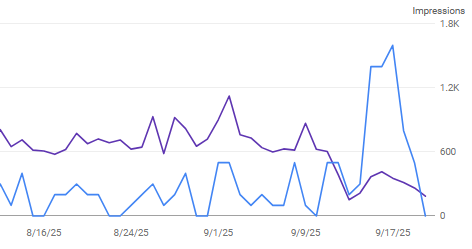
The theory is that these metrics were previously inflated by impressions from bots and scrapers, particularly on generic terms like “Marketing Bureau Rotterdam”. With these automated requests no longer generating data, the new GSC overview offers a more accurate representation of actual human engagement. We noticed that for us, the impressions for “Marketing Engineers” remain constant.
When a rank-tracking bot used the n=100 parameter, it would load a page and trigger impressions for every ranking it was tracking—even for positions as low as #99.
With those “phantom impressions” from bots now gone, your Google Search Console reports reflect a much more truthful and accurate picture of how real human users are interacting with your website. This is a positive development, as it allows you to:
- Make better decisions: You can now base your strategy on data that is no longer biased by automated traffic.
- Set realistic benchmarks: The new, lower numbers provide a more realistic baseline for measuring your site’s true visibility and performance over time.
In the end, while this change forces everyone to adapt, it provides a much needed reality check for the industry. The initial pain of adapting to broken tools and fluctuating data is giving way to a new, more transparent era of SEO measurement.
If you have any questions about this topic, don’t hesitate to contact us. We’d be happy to help!